In January 2023 Frieze published an essay by Dan Hicks — curator at Oxford’s Pitt Rivers Museum and author of The Brutish Museums — under the headline How NFTs and 3D Printing Are Changing Restitution. LOOTY is one of the projects he writes about. This is my summary of what he argued, and a response; the essay itself is Frieze’s and lives on frieze.com.
The empty case
Hicks opens in the museum, with a group of eleven-year-olds from the Birmingham school he went to. The questions they ask on their visit are no longer about Troy or Captain Cook. They ask how the objects were stolen, when they will be given back, and what the museum will do with the empty cases. That image — the empty vitrine — is where he puts the whole restitution debate, and it is where the question of copies comes in: if an original goes home, can a scan, a print or a cast keep the display the same?
Three projects, one question
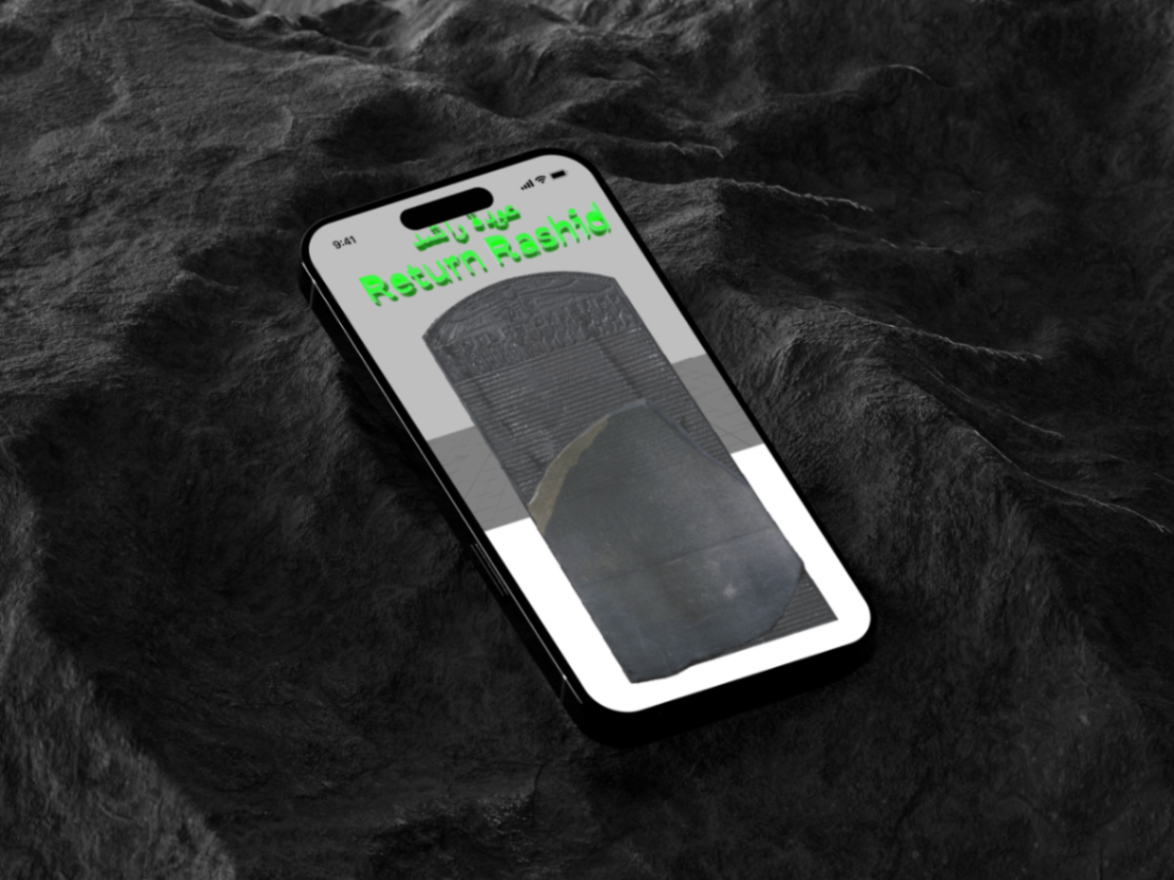
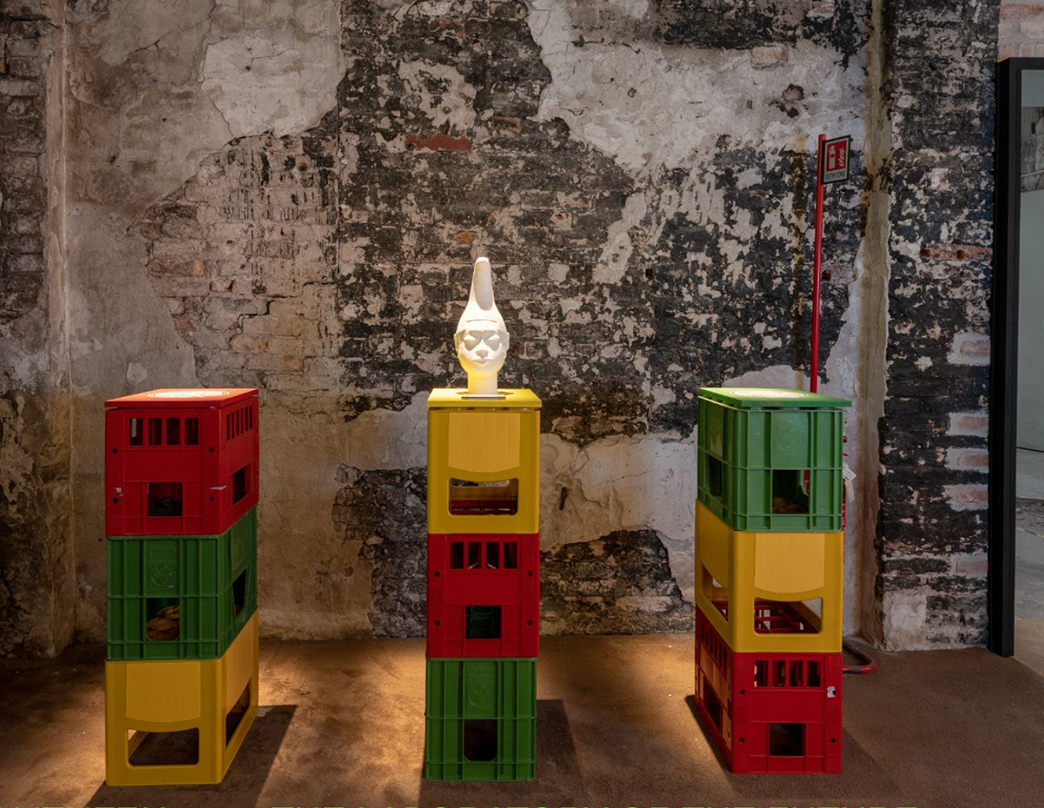
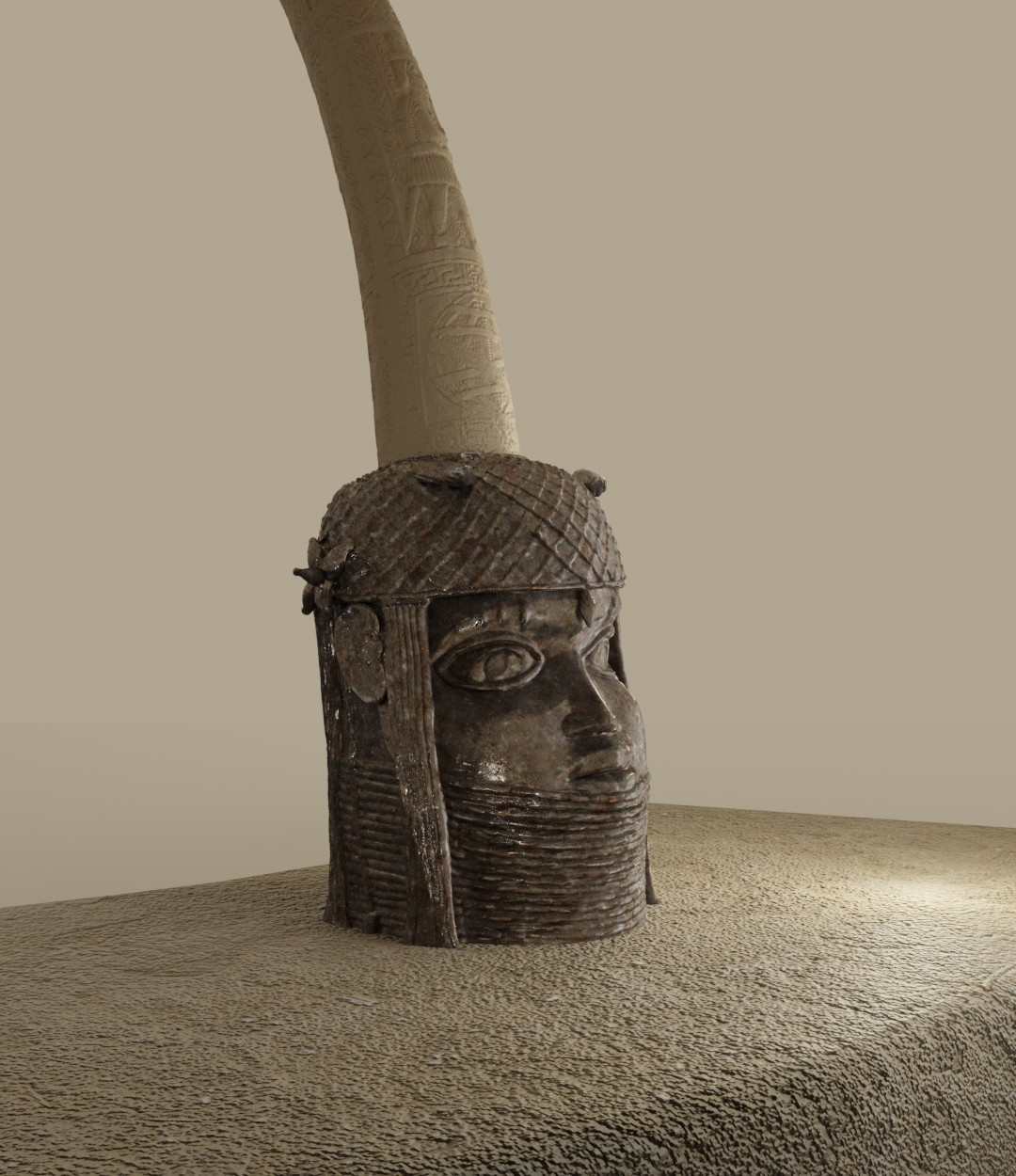
He takes three examples. The Institute for Digital Archaeology, which proposed copying the Parthenon Marbles to ease their return from the British Museum and threatened legal action when it was refused scanning access. The ‘Nefertiti Hack’, in which Nora Al-Badri and Jan Nikolai Nelles released the Neues Museum’s own high-resolution scans of the bust under a Creative Commons licence — a move Monica Hanna welcomed because it exposed the monopoly European museums keep on knowledge as well as ownership. And LOOTY: our scans of Benin Bronzes, released as limited-edition NFTs, with a fifth of proceeds going to a fund for African artists under twenty-five and to the cause of restitution to African claimants. The work he is describing is here — [Idia](/works/idia), [Oba Head](/works/oba-head) and [Homecoming](/works/homecoming) — and the thinking behind it is on [LOOTY’s page](/ventures).
He is careful to say that none of this is new. Plaster casts have filled museum halls since the nineteenth century — the V&A’s Cast Courts were built 25 metres high for a two-part replica of Trajan’s Column — and conservation itself changes objects. Scanning and printing extend an old practice. What changes, he argues, is the ethics once copies are tied to returns.
Palmyra, and who decides
The sharpest passage is about the replica Arch of Palmyra put up in Trafalgar Square in 2016, weeks after the Assad regime retook the site: made in Italy from photographs, a fraction of the original’s size, inaccurate, unveiled by Boris Johnson as a triumph of technology, and taken down after three days. The objection archaeologists raised was not the inaccuracy. It was that decisions about what to reproduce, and how, belonged to Syrians — not to a British project with a media opportunity.
Benjamin, aura, and the copy that controls
From there he goes to Walter Benjamin — the mimetic faculty, the aura that reproduction can destroy — and to Erik Cohen’s work on what happens to craft objects when they are made for tourists: new materials, shrinking or inflating scale, motifs lifted out of time. His point is that reproduction can diminish a work in order to control it. In his words, “a copy is never merely a copy.”
So the question for restitution, he concludes, is who controls the changes a copy makes: who owns the scan, who decides whether an object that is an ancestor’s presence can be printed at all. Copies are no silver bullet. What works for the Parthenon Marbles may be wrong for the Benin Bronzes. And sometimes the case should be left empty.
Where I stand
I agree with most of it, and I think LOOTY is on the side of his argument rather than the other. We have never been in the business of keeping vitrines full. The [digital heists](/writings/the-rosetta-code) were about the opposite: taking the data — the thing museums now guard as closely as the objects — out of the one-way street Hicks describes, and putting it in the hands of the people it was taken from, with no usage restrictions. The scan is not a substitute for the bronze going home. It is a claim, made in public, that the knowledge is not the museum’s to ration.
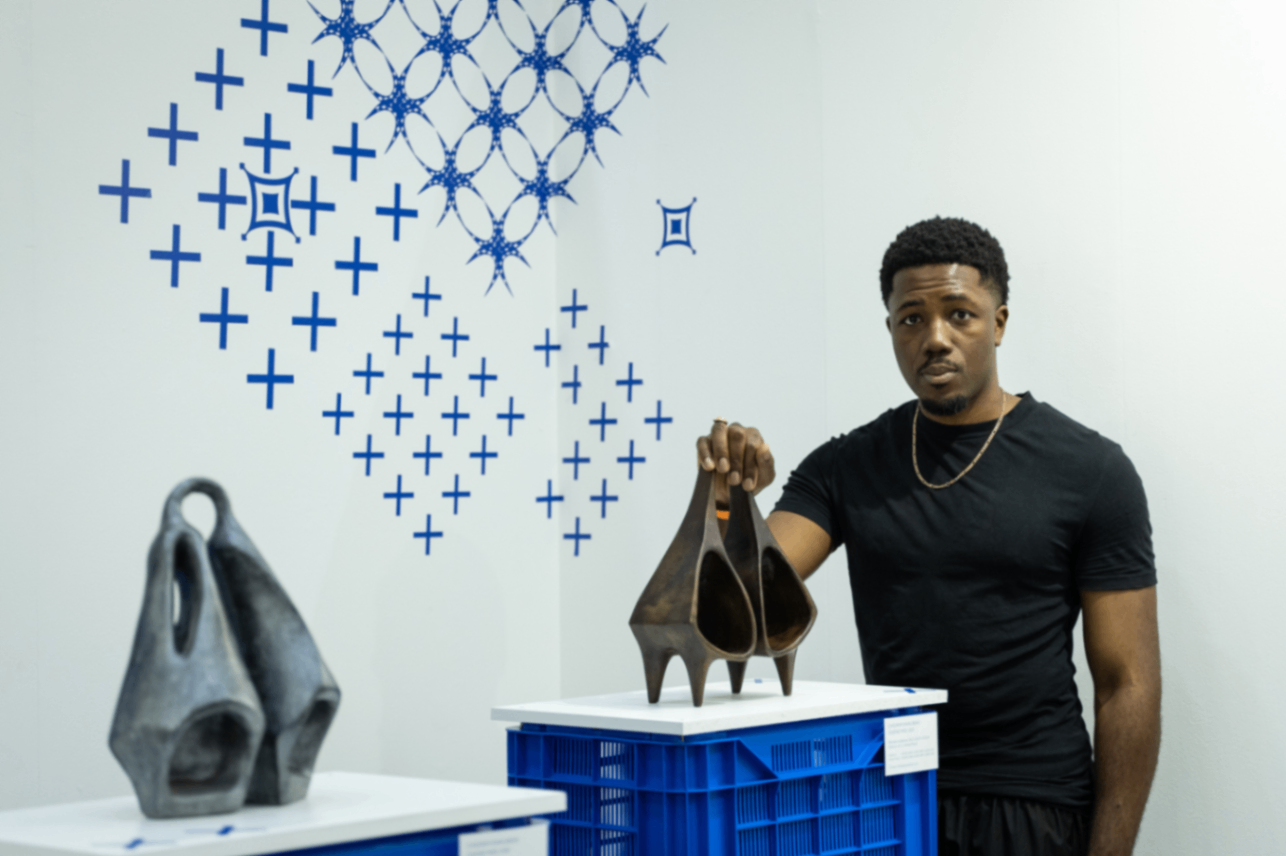
Where I would press him is on the empty case. An empty vitrine is a British solution to a British problem; it asks the public to look at a loss. The work we have made since — [Mbari Memorial](/writings/notice-of-reclamation), the ogene sculptures that need two people touching them to generate a new digital object — starts from the other end: not what the museum should display, but what a community can make from what cannot be returned intact. On that, Hicks and I want the same thing. The essay is worth your time in full: read ‘How NFTs and 3D Printing Are Changing Restitution’ on frieze.com.